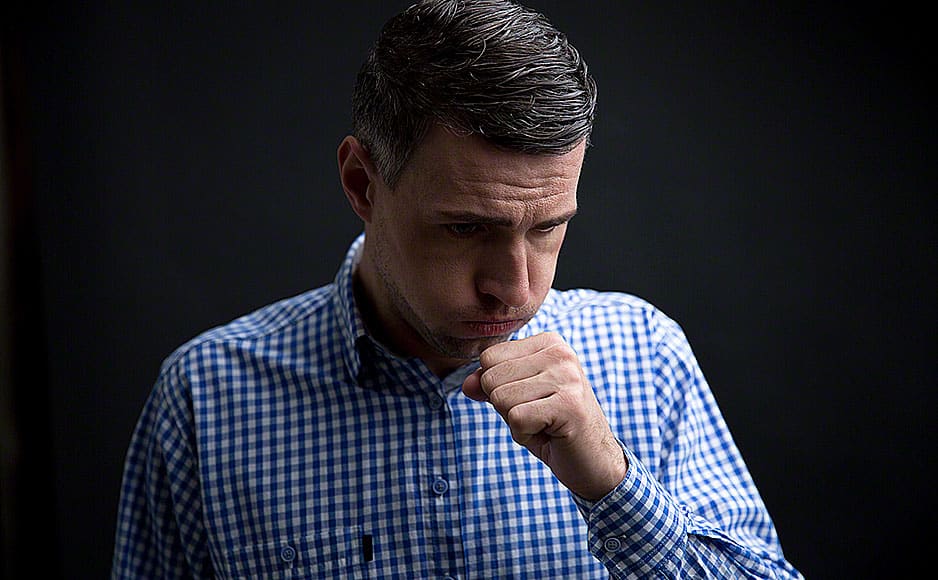
COPD, or chronic obstructive pulmonary disease, is a long-term lung disease that blocks your airways and affects your breathing. If you want to know what COPD is, what its signs and causes are, and how it’s treated or managed, follow this guide. If you have shortness of breath and cough with mucus, consult a primary care physician.
What Is COPD?
In chronic obstructive pulmonary disease (COPD), there is irreversible damage to the lungs and airways. This can lead to coughing with mucus and shortness of breath that can get worse over time. For some people, worsening of the condition can take years or decades, but for others, it can happen faster. So, proper treatment and management are critical.
Types Of COPD
COPD is a term used for two conditions: Chronic bronchitis and emphysema. If you have COPD, you might have one of the two conditions or both.
Chronic Bronchitis
When the airways in your lungs are inflamed, it’s chronic bronchitis. These airways can include the trachea, bronchi, and bronchioles. Even though this inflammation can occur for a short term too due to a virus in a cold or flu and is called acute bronchitis, when the symptoms appear frequently for two years (at least three months a year), it’s called chronic bronchitis.
The most common symptoms are coughing with mucus, wheezing, and shortness of breath. And its major cause is smoking.
Emphysema
Whereas chronic bronchitis is about the swelling and damage of the airways or tubes of the lungs, emphysema is the damage to the air sacs (alveoli) at the end of the airways.
As the elastic air sacs swell, they become less effective in transferring oxygen to the blood and removing carbon dioxide, which is the entire purpose of the lungs. So, you feel symptoms like shortness of breath, chest tightness, fatigue, cough, and wheezing.
Do I Have COPD? Signs Of COPD
According to estimates, more than 40% of Americans with COPD don’t know that they have it. Worldwide estimates are worse because up to 70% of people with COPD around the globe may have undiagnosed COPD. Diagnosis is crucial in managing and treating the condition and avoiding flare-ups. So, here are some signs of COPD, which indicate you should consult a doctor for tests.
- Shortness of breath, especially during physical activities. In later stages of COPD, you may feel out of breath even when at rest, which is a serious sign to visit a hospital ASAP.
- Wheezing or whistling sounds when breathing.
- Cough that lasts for at least three months each year for two years. Cough will have white, yellow, or clear mucus.
- Feeling tired most of the time due to breathing problems.
- Difficulty taking a deep breath.
- Feeling of heaviness or tightness in the chest.
- Barrel-shaped chest.
- Pink or bluish skin. Bluish skin is more serious.
- Frequent lung and respiratory problems.
- Weight loss without any notable cause.
- Swollen legs, ankles, or feet.
There can also be exacerbations, or bad days, when the condition is worse. Things that can cause COPD can also be the causes of exacerbations. Symptoms can be:
- More trouble breathing.
- Chest tightness.
- More cough than normal COPD days, along with more mucus or changed mucus color.
COPD can also cause other health issues, like frequent respiratory infections, acid reflux, sleep problems, etc.
Causes Of COPD
COPD is usually caused by long-term exposure to irritants that damage the airways and air sacs in the lungs. However, it can also be genetic. Consult an internal medicine physician Rockville for diagnosis.
Tobacco Smoking
Tobacco smoking is the primary cause of COPD, especially in developed countries, where more than 70% of COPD patients have the condition due to tobacco smoking. It can be cigarettes, pipes, cigars, marijuana, and others. In developing and low-income countries, it’s about 30% to 40% of the cases.
Burning Fuel
Apart from smoking in developing and low-income countries, a big cause is burning fuel (wood, coal, animal dung, crop, etc.) indoors for cooking or heating without proper ventilation and safety practices.
Secondhand Smoke
Smoke exhaled by smokers (mainstream smoke) and the smoke from the burning end of a cigarette (sidestream smoke), when inhaled by someone, is secondhand smoke. Contrary to popular belief, secondhand smoke doesn’t only affect non-smokers but also smokers as well.
However, many non-smokers are more concerned about it, rightfully so. Even when you don’t smoke, being around smokers can affect your respiratory system and can cause problems, which can include COPD.
Moreover, if you already have COPD, secondhand smoke can trigger flare-ups and worsen the condition.
Exposure To Irritants In The Workplace
People who are exposed to chemical fumes, smoke, dust, or any irritants in the workplace that are infamous for causing respiratory problems can also develop COPD. Some high-risk jobs for people with lung damage are: mining, construction, farming, manufacturing (plastic, textile, etc.), woodworking, pottery and ceramics, metalworking, automotive repair, 3D printing arts, and others.
Genetics
Even if you don’t smoke or aren’t exposed to many irritants in the workplace or anywhere else, you can develop COPD due to genetics. Studies show that 1% of people get COPD due to an inherited gene change. This gene change creates a deficiency of a protein known as AAT (alpha-1-antitrypsin). This makes the person less shielded against irritants, which can lead to COPD (emphysema, mostly).
Diagnosis
The primary care doctor or internist first performs a regular examination and asks questions. They can also suggest tests for COPD, such as spirometry, body plethysmography, and other lung function tests. They can also recommend:
- Pulse oximetry
- X-rays or CT scans
- Arterial blood gas test
- Exercise testing
- ECG or EKG
- Blood tests
- Genetic testing
Treatment And Management Of COPD
You can’t treat COPD, but you can manage symptoms, reduce flare-ups, and slow down its progression.
Quitting Smoking
As the condition is common in smokers, quitting smoking is required to manage symptoms and prevent complications. Doctors usually suggest stop-smoking programs, nicotine replacement products, and medication to help with quitting smoking.
Bronchodilators
These are inhaled medicines to reduce inflammation in your lungs and open the airways. They mostly come in inhalers. They can also be in liquid form, which you put in a nebulizer.
Inhaled Steroids
Inhaled steroids are for reducing inflammation and are commonly used during flareups. They may have side effects, so they are not for everyday use.
Combination Inhalers
They can either have two different types of bronchodilators or a combination of bronchodilators and steroids.
Oral Steroids
You may need a course of oral steroids to deal with exacerbations. They are usually taken for 3-5 days only.
Oxygen Therapy
If oxygen levels in your blood are low, you may need supplemental oxygen. There are lightweight, portable oxygen tanks you can take anywhere. You may need supplemental oxygen only during exercises, activities, or sleeping, or you may need it all the time.
BiPAP Machines
Bilevel positive airway pressure (BiPAP) devices are used to make breathing easier during sleep. They have a mask you put on that supplies oxygen.
Antibiotics
These drugs are for managing infections, like pneumonia, influenza, acute bronchitis, etc. Antibiotics can’t be used continuously long-term.
Surgery
For severe cases, your pulmonologist may refer you to a thoracic surgeon for a surgical procedure. You may be suggested any of these, depending on your condition:
- Lung volume reduction surgery
- Endoscopic lung volume reduction
- Lung transplant
- Bullectomy
Conclusion
COPD can cause coughing with mucus and shortness of breath. Diagnosis and management are critical to avoid flare-ups and the progression of the condition. So, if you notice the symptoms, contact an internal medicine doctor Gaithersburg. They will diagnose and help manage COPD. If needed, they can refer you to a pulmonologist as well.